AI Could Transform Healthcare on the African Continent: Insights from SingularityU South Africa Summit
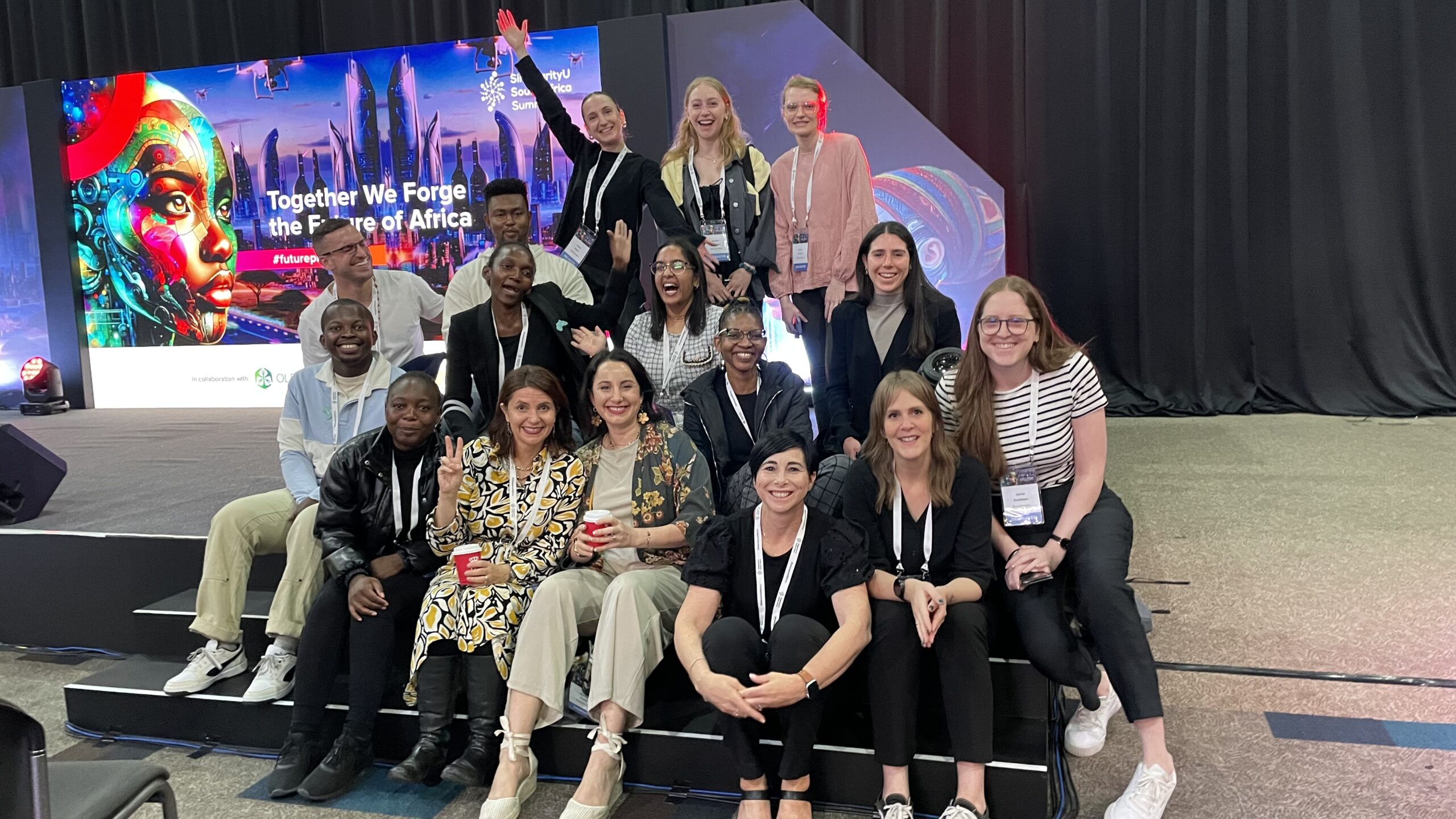
Our team recently attended the SingularityU South Africa Summit, where leaders, tech pioneers and industry experts came together to discuss the transformative power of technology. At the forefront of these discussions was artificial intelligence (AI) and its impact on industries worldwide—including healthcare. As a clinical data management company invested in managing data for clinical trials on the continent, we left the summit inspired by the future of healthcare both in Africa and beyond.
The Power of AI to Help Humanity Thrive
One of the summit’s most resonant ideas was the notion that the greatest path to impact is by helping a billion people. The quote “The best way to become a billionaire is to help a billion people” was put up on the screen at the start of the summit. AI offers unprecedented tools to help humanity thrive, aligning wealth and well-being in the process. This concept resonates with BioInformatiCo’s mission to advance clinical research and enhance healthcare for diseases that impact African populations disproportionately, such as HIV and TB.
AI is already reshaping healthcare with tools that offer efficiency and insight unimaginable a decade ago. For instance, AI-driven protein folding now allows tasks that once took teams of scientists months to complete to be done within seconds, unlocking new avenues for disease treatment and vaccine development. This leap forward, driven by AI, is poised to accelerate progress against critical global health issues.
AI as a Global Tutor
We were asked to imagine a world where every person has access to a personalised tutor, equipped with “theory of mind” and vast knowledge. With AI this is a possibility, provided there is equal access to technology. Another takeaway from the summit was AI’s potential to deliver individualised learning experiences and new ways of teaching.
In the realm of healthcare, this concept can be transformative. Accessible AI-driven health education could empower communities, particularly in underserved regions, with knowledge about disease prevention, treatment, and overall wellness, ultimately enabling individuals to safeguard their health. This does not mean the need for medical doctors is eradicated, nor does it mean that we should ignore the structural inequality that has led to health and treatment disparities. This is a small step towards tackling the gaps within access to healthcare.
AI and Healthcare in Africa
As a continent with a complex healthcare landscape, Africa is well-positioned to benefit from AI-driven healthcare solutions. AI is facilitating innovations in vaccine technology, including the potential to eliminate the cold chain— a logistical challenge that has historically limited vaccine distribution in Africa. This shift could enable effective immunisation across remote areas, overcoming geographic and infrastructural barriers.
AI also contributes to advancements in CRISPR and synthetic biology, revolutionising our approach to genetic diseases. Furthermore, the promise of nanobots—tiny robots capable of precisely targeting diseased cells—opens up exciting new possibilities for treating diseases like cancer without the need for invasive therapies.
Ethics and Efficiency
While AI is undeniably a tool for efficiency, we must remain mindful of its ethical implications. The summit highlighted the importance of acknowledging inherent biases within AI systems, a crucial consideration for healthcare in Africa, where diverse genetic and environmental factors must be respected. AI should be a tool that enhances human potential without perpetuating existing biases. As we embrace AI, we’re reminded that thoughtful application and oversight are essential to maximise its benefits.
Dr Taddie Blecher, a speaker at the summit, aptly put it: “AI is a tool, and humans have always used tools. But AI is probably the most powerful tool because it is intelligence itself.” This emphasises the unique potential of AI as a partner in humanity’s quest for progress.
AI is a tool, and humans have always used tools. But AI is probably the most powerful tool because it is intelligence itself.
A Future of Possibility
Beyond current innovations, AI is creating conditions for breakthroughs that once seemed like science fiction: neurotechnology that connects the human brain with machines, the fusion of stem cells with artificial systems, and even new life forms emerging from synthetic biology. There could be a world where nanobots replace chemotherapy, or where tailored therapies address the unique health needs of African communities.
As a company committed to healthcare and clinical data management, we are excited to be part of this industry. The summit reinforced that AI, when thoughtfully applied, can be a powerful driver of healthcare innovation, especially on the continent.
Relevant Links